Angle lanes per persona
A structured set of angles for each buyer, with duplicates and already-covered ground filtered out.
Plan turns your brand context into a testing roadmap: which personas, which angles, which funnel stage, what you expect to learn, and what to create next when the signal lands.
Plans are yours to edit. Nothing is launched from a plan without you approving the creative and the push.
Illustrative planning board — demo figures
The story
Angles are generated per persona and mapped to a funnel role, so testing covers the message space instead of repeating one idea.
Each lane states what you expect, what would prove it, and what happens either way. No orphan tests.
The roadmap says what to test first based on evidence coverage and spend, so a small budget still learns something.
An approved angle carries its proof points and objections into the brief, so the creative argues the right thing.
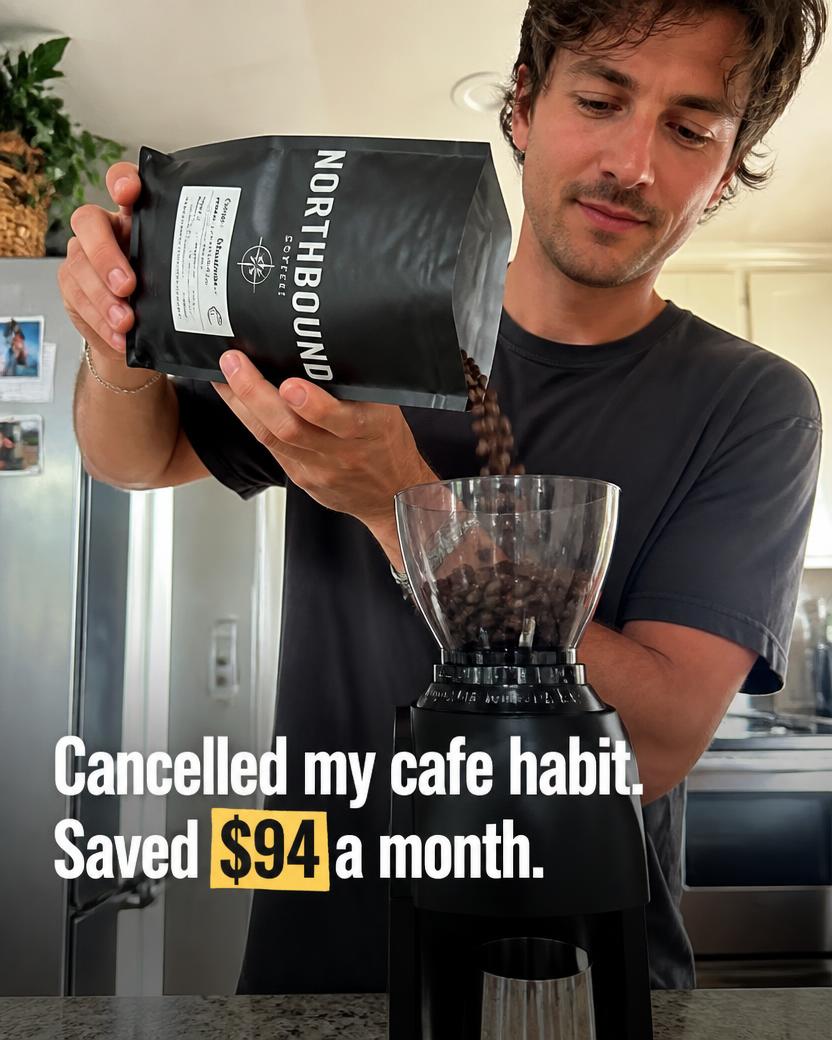
UGC
Winner · live

Social proof
New hook · paused

Offer
New visual · paused
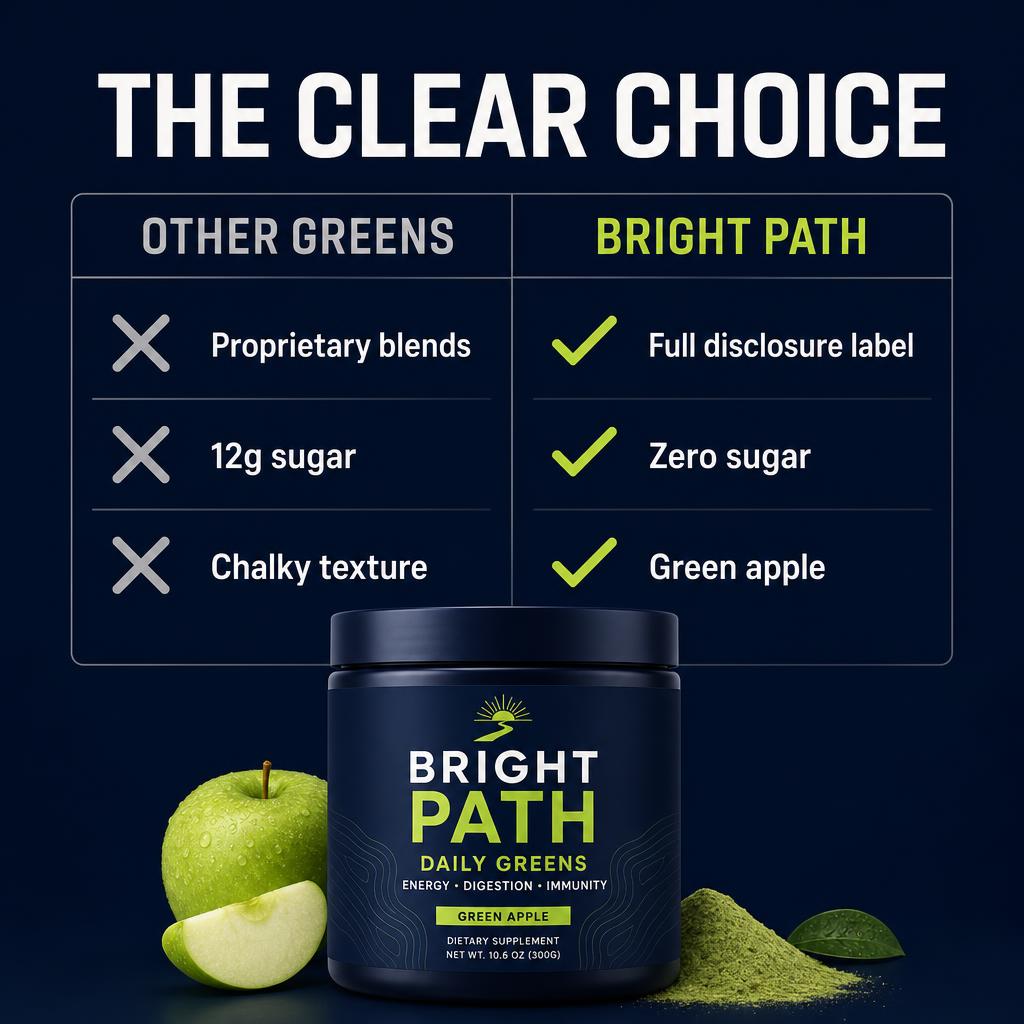
Comparison
Retired
Illustrative angle-to-creative handoff — demo figures
What you get
A structured set of angles for each buyer, with duplicates and already-covered ground filtered out.
Top, middle and bottom intent labelled, so cold prospecting and retargeting stop competing on the same message.
What to run first, what evidence would settle it, and what to try next in each direction.
Each concept carries the objection it answers and the proof point it leans on.
Results update coverage, so the next plan avoids re-running what has already been answered.
A plan a client or a team lead can read without a translation layer.
What that means for you
FAQ
No. Approve the lanes you like, edit the rest, ignore the ones that do not fit.
A focused set per persona, deliberately capped so the roadmap stays runnable on a real budget.
Yes. Existing campaign coverage is read first, so suggestions skip ground you have already covered.
Build a roadmap from your own brand context in a few minutes.